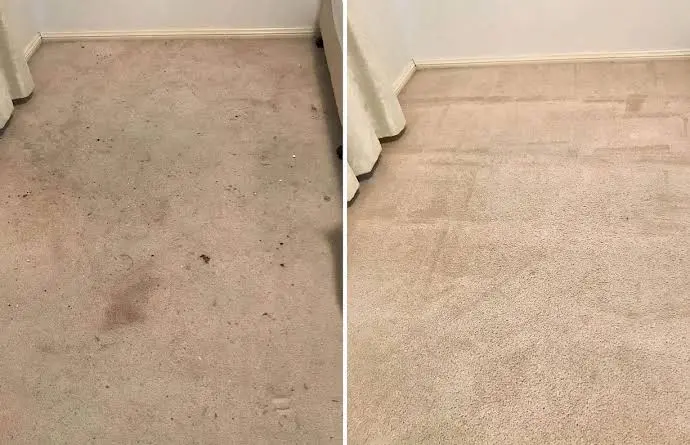
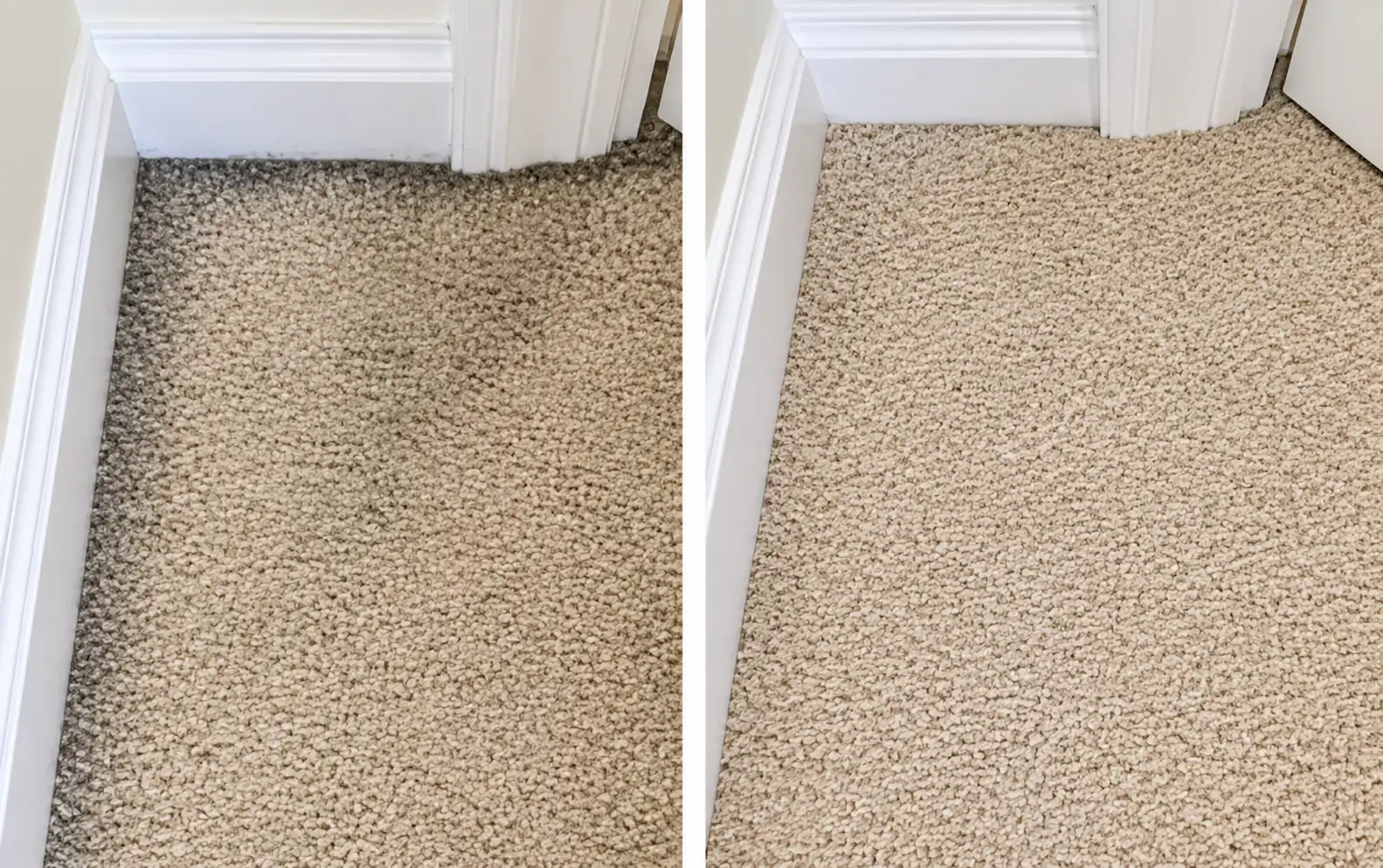
Have you noticed black or dark gray lines along the edges of your carpet near baseboards, underneath doors, or around stair edges? These stubborn marks can make your carpet look dirty even when the rest of the room appears clean. If regular vacuuming does not remove them, the cause may be carpet filtration soiling.
Filtration soiling occurs when airborne dust, dirt, and microscopic particles move through small gaps in a home and become trapped in carpet fibers. Over time, these particles create dark lines along walls, doorways, and other areas where air passes through narrow spaces.
Unlike ordinary carpet stains, filtration soiling is not necessarily caused by spills, pets, or foot traffic. It is often related to airflow, indoor dust, and the way carpet fibers collect airborne contaminants.
Understanding what causes dark carpet edges, how to prevent filtration soiling, and when professional carpet cleaning may help can protect your carpet’s appearance and extend its usable life.
What Is Carpet Filtration Soiling?
Carpet filtration soiling is the buildup of airborne dirt and fine particles in carpet fibers, particularly along the edges of rooms and other areas where air moves through small openings.
When air travels through gaps between baseboards and flooring, underneath doors, or around stair structures, carpet fibers can act like an air filter. They trap dust, household debris, and other airborne contaminants as the air passes through.
Over time, this accumulated dirt creates noticeable black, gray, or dark brown lines.
Filtration soiling is sometimes called carpet filtration lines or black edge staining. It is particularly common along wall edges because these areas often experience continuous air movement through small gaps.
Quick answer: Dark lines along carpet edges are commonly caused by filtration soiling. Airflow carries microscopic dirt and dust particles into carpet fibers, where they accumulate and create dark discoloration.
Where Do Dark Lines Along Carpet Edges Usually Appear?
Filtration soiling generally develops in areas where air passes through narrow spaces. Homeowners commonly notice these dark marks in the following locations.
1. Dark Lines Along Baseboards
One of the most common signs of filtration soiling is a dark line where the carpet meets the wall or baseboard.
Small openings between the carpet, flooring, and wall structure allow air to move through the area. As airborne particles collect in the carpet fibers, a dark outline gradually develops around the room.
2. Black Marks Underneath Doors
The narrow gap beneath a closed door can create a pathway for air movement between rooms. Dust and other airborne particles may settle into the carpet near the doorway, producing a dark line or concentrated area of discoloration.
3. Dark Carpet Edges Around Stairs
Carpeted staircases can develop filtration lines along stair edges, risers, and adjoining surfaces. Small gaps in the stair structure allow air movement, which can carry fine particles into the carpet fibers.
4. Discoloration Near Air Vents
Air circulation from heating and cooling systems distributes dust throughout the home. Carpet areas near ventilation pathways may collect additional particles, depending on airflow patterns and indoor air quality.
What Causes Filtration Soiling on Carpets?
Several factors contribute to the formation of dark lines along carpet edges. The most common causes include:
1. Air Movement and Pressure Differences
Air pressure differences between rooms, ventilation systems, and wall cavities can cause air to move through small openings. When this air passes through carpet fibers, it deposits fine particles that gradually create dark lines.
2. Airborne Dust and Household Particles
Every home contains microscopic airborne contaminants. These may include:
- Household dust and dirt
- Pet dander and hair particles
- Cooking-related airborne residue
- Outdoor pollutants
- Fine debris from everyday household activities
As these particles become trapped in carpet fibers, they contribute to visible discoloration.
3. Dirty HVAC Filters
Heating, ventilation, and air conditioning (HVAC) filters help capture airborne particles before they circulate through your home. Dirty, clogged, or poorly maintained filters may reduce filtration efficiency and contribute to dust buildup.
Replacing filters according to manufacturer recommendations can help reduce airborne contaminants.
4. Gaps Around Doors, Walls, and Flooring
Small openings around doors, baseboards, and floor structures can create pathways for unwanted airflow. These openings may allow dust-laden air to pass through carpet edges, increasing the likelihood of filtration soiling.
Why Doesn’t Vacuuming Remove Dark Lines From Carpet?
Regular vacuuming is essential for carpet maintenance, but it may not completely remove filtration lines.
The reason is that filtration soiling often involves extremely fine particles that become embedded deep within carpet fibers. Some particles may also contain oily residues, making them more difficult to remove with standard household vacuum cleaners.
Vacuuming primarily removes loose surface dirt and debris. It may not provide enough cleaning action or extraction power to remove deeply embedded contaminants.
Aggressively scrubbing dark carpet edges is not recommended. Excessive brushing or using unsuitable cleaning chemicals can damage carpet fibers, spread the discoloration, or affect the carpet’s original color.
For stubborn filtration lines, professional carpet cleaning may help loosen and extract accumulated dirt using appropriate cleaning methods.
How to Prevent Dark Lines Along Carpet Edges
Although filtration soiling cannot always be prevented completely, regular household maintenance can help minimize dirt accumulation.
1. Vacuum Carpet Edges Regularly
Vacuum your carpets consistently, paying special attention to room corners, baseboards, doorways, and stair edges. Use suitable vacuum attachments to reach areas that standard vacuuming may miss.
2. Replace HVAC Filters Regularly
Inspect your heating and cooling system filters and replace them according to the manufacturer’s instructions. Clean filters help capture airborne dust and reduce the number of particles circulating indoors.
3. Maintain Proper Airflow
Check for unnecessary gaps around doors, windows, and other openings. Sealing appropriate air leaks may help reduce uncontrolled airflow through carpet edges.
However, avoid blocking necessary ventilation pathways or interfering with your home’s ventilation system.
4. Reduce Indoor Dust
Regularly dust furniture, clean air vents, and maintain household surfaces. If you have pets, frequent cleaning can also help reduce the amount of airborne hair and dander.
5. Schedule Professional Carpet Cleaning
Periodic professional carpet cleaning helps remove accumulated dirt, embedded particles, and other contaminants that regular household maintenance may leave behind.
The appropriate cleaning frequency depends on household activity, pets, carpet material, and indoor conditions.
Can Filtration Soiling Be Removed Completely?
Filtration soiling can often be improved with professional carpet cleaning, but complete removal is not guaranteed.
The results depend on how long the dark lines have been present, the type of carpet fibers, the nature of the accumulated particles, and whether the discoloration has permanently affected the carpet.
Fresh or relatively light filtration lines may respond better to appropriate cleaning treatments. However, older discoloration can become deeply embedded and difficult to remove.
In some cases, the carpet fibers may have experienced permanent discoloration or damage. Cleaning can remove accumulated soil, but it cannot always restore the original carpet color.
A professional carpet inspection can help determine the condition of the affected areas and identify an appropriate cleaning approach.
When Should You Hire a Professional Carpet Cleaning Service?
If dark lines remain visible after regular vacuuming and routine maintenance, consider having your carpet professionally assessed.
Professional carpet cleaners can evaluate the affected areas, identify possible causes of discoloration, and recommend suitable cleaning techniques based on the carpet’s material and condition.
Professional cleaning equipment and appropriate cleaning solutions can help loosen and extract embedded dirt that ordinary household vacuuming may not remove.
For homeowners dealing with stubborn carpet discoloration, professional assessment is particularly useful before trying aggressive DIY treatments.
Share Advanced Tile & Carpet Deep Cleaning Services LLC provides professional carpet cleaning solutions for residential and commercial properties in Allentown, PA, and surrounding areas.
Learn more about our professional carpet cleaning services and get assistance with maintaining cleaner, fresher-looking carpets.
Final Thoughts
Dark lines along carpet edges can be frustrating, especially when regular vacuuming does not make them disappear. In many cases, these marks are caused by filtration soiling, a gradual buildup of airborne dust and particles trapped in carpet fibers as air moves through small gaps in your home.
Understanding the causes of carpet filtration lines is the first step toward preventing further buildup. Regular vacuuming, proper HVAC filter maintenance, indoor dust control, and professional carpet cleaning can help maintain cleaner-looking carpets.
If stubborn dark lines are affecting the appearance of your flooring, Share Advanced Tile & Carpet Deep Cleaning Services LLC can help assess your carpet cleaning needs.
Contact us to learn more about professional carpet cleaning in Allentown, PA, and surrounding areas.
Frequently Asked Questions About Dark Lines Along Carpet Edges
Why does my carpet have black lines around the edges?
Black lines around carpet edges are commonly caused by filtration soiling. Air passes through small gaps near baseboards, doors, and floor structures, carrying dust and fine particles that become trapped in carpet fibers.
What is filtration soiling in carpet cleaning?
Filtration soiling is the accumulation of airborne dust, dirt, and other contaminants in carpet fibers as air moves through narrow openings. It typically appears as dark lines along walls, doorways, and stair edges.
Can vacuuming remove filtration lines from carpets?
Vacuuming can remove loose dirt and surface debris, but it may not completely eliminate filtration lines. Fine particles can become deeply embedded in carpet fibers and may require specialized cleaning.
Are dark lines along carpet edges caused by mold?
Not necessarily. Dark lines along carpet edges are commonly associated with filtration soiling rather than mold. However, if you notice a musty smell, dampness, or signs of moisture, have the affected area inspected for possible mold or water damage.
How can I prevent filtration soiling?
Vacuum carpet edges regularly, maintain clean HVAC filters, reduce indoor dust, and address unnecessary air leaks around doors and other openings. Periodic professional carpet cleaning can also help control accumulated dirt.
Can professional carpet cleaning remove black lines along baseboards?
Professional carpet cleaning may significantly improve the appearance of filtration lines by removing embedded dirt and particles. However, complete removal depends on the carpet material, severity of buildup, and whether permanent discoloration has occurred.